
The psychology behind risk-taking understanding the gambler's mindset
The Nature of Risk-Taking in Gambling
Risk-taking is an inherent part of the human experience, often driven by the desire for excitement and the potential for reward. In gambling, this psychological phenomenon manifests in various forms, including betting on uncertain outcomes, such as the roll of dice or the spin of a wheel. Many individuals are drawn to the thrill of risk, seeking not just financial gain but also the adrenaline rush associated with uncertainty. This need for excitement can sometimes overshadow rational judgment, leading individuals to make bets that are not grounded in realistic assessments of their probabilities. For those interested in maximizing their engagement, the fair go casino sign up offers a great starting point.
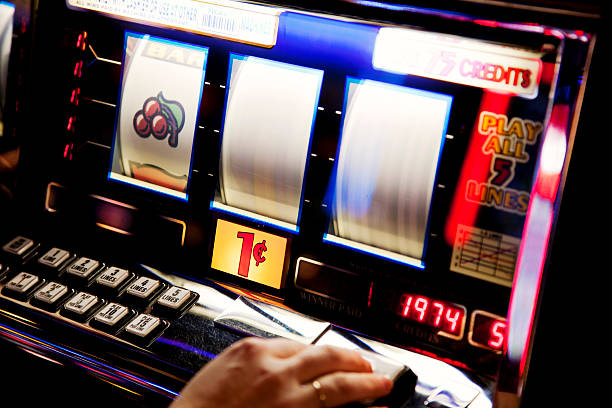
The psychology behind why people take risks can be linked to several factors, including personality traits, social influences, and cognitive biases. For instance, individuals with a high sensation-seeking trait are often more likely to engage in risky behavior, including gambling. Their quest for new experiences drives them to take chances that others might shy away from. Additionally, social circles can play a crucial role in shaping an individual’s approach to risk. Friends or family who are enthusiastic about gambling can encourage more risk-taking behavior, reinforcing the idea that it is a socially acceptable form of entertainment.
Moreover, cognitive biases such as the illusion of control can further influence gambling decisions. Gamblers may believe they can influence outcomes through their actions, despite the random nature of many games. This illusion can lead to a heightened sense of confidence and an increased willingness to take risks. Understanding these psychological underpinnings provides insight into why gambling can be both alluring and dangerous, as individuals become trapped in a cycle of risk and reward that can lead to significant financial and emotional consequences.
The Emotional Rollercoaster of Gambling
The emotional landscape of gambling is complex, characterized by a cycle of highs and lows that can be exhilarating but also devastating. When players experience wins, the rush of dopamine—a neurotransmitter linked to pleasure—can create a euphoric feeling that reinforces future gambling behavior. This is often referred to as the “win-streak effect,” where gamblers become increasingly optimistic and willing to wager larger amounts, believing that luck is on their side. However, this euphoria can quickly shift to despair when losses occur, leading to feelings of regret and frustration.
This emotional rollercoaster can foster a gambling addiction, where the highs of winning become the primary motivator for continued play. Many gamblers report a compulsive need to chase losses, which can lead to escalating risks and further financial hardship. This chasing phenomenon is deeply rooted in psychological principles, as the desire to regain lost money can overshadow rational decision-making. Gamblers often convince themselves that a big win is just around the corner, perpetuating a cycle of risk-taking behavior that can be difficult to break.
Additionally, the social stigma associated with gambling can exacerbate the emotional turmoil experienced by individuals. Many gamblers feel isolated and ashamed of their behavior, leading to secrecy and further engagement in risky practices. The dichotomy of thrill and despair highlights the intricate relationship between emotion and risk, showcasing the need for emotional awareness and management among gamblers. Understanding this emotional context can be crucial in promoting healthier gambling habits and reducing the risk of addiction.
The Role of Cognitive Biases in Gambling Decisions
Cognitive biases play a significant role in shaping a gambler’s mindset, influencing decisions in ways that often defy logic. One prominent example is the gambler’s fallacy, where individuals mistakenly believe that past events can influence future outcomes. A common scenario is a player assuming that after a series of losses, a win is due. This flawed reasoning can lead to increased risk-taking, as the gambler feels compelled to wager more in hopes of reclaiming their losses, often ignoring the inherent randomness of the game.
Another cognitive bias is the confirmation bias, where individuals tend to seek out information that supports their existing beliefs while disregarding evidence that contradicts them. Gamblers may selectively remember wins while downplaying losses, reinforcing their belief that their strategies are effective. This selective memory can lead to overconfidence, encouraging further risk-taking. Understanding these biases is essential for gamblers, as awareness can help mitigate irrational decision-making and promote more responsible gaming behavior.
Moreover, the framing effect can also influence gambling behavior. How information is presented can significantly impact decisions; for example, emphasizing potential gains rather than losses can lead to riskier bets. Casino environments are often designed to enhance this effect, with bright lights and celebratory sounds reinforcing the thrill of winning while masking the reality of the odds. Recognizing the impact of cognitive biases is crucial for both casual gamblers and those struggling with addiction, as it opens pathways for better decision-making and ultimately fosters a healthier relationship with gambling.
Societal and Cultural Influences on Gambling Behavior
The culture surrounding gambling can significantly affect an individual’s approach to risk-taking. In societies where gambling is celebrated and promoted, individuals may feel more inclined to partake in these activities, viewing them as an acceptable form of entertainment. This normalization can lead to increased participation, as people are more likely to engage in risky behaviors when they perceive them as socially sanctioned. For instance, events like Super Bowl parties often incorporate gambling, encouraging friends and family to bet on game outcomes as a fun social activity.
Conversely, in cultures where gambling is stigmatized, individuals may feel guilt or shame about their behavior, which can lead to secretive gambling practices. This can exacerbate problems, as individuals may gamble to cope with negative emotions associated with societal judgment. Understanding these cultural contexts can shed light on the varying degrees of risk-taking behaviors among different populations, emphasizing the importance of social acceptance in shaping gambling habits.
Moreover, public policy and regulation can also influence gambling behaviors. Regions with strict regulations may discourage excessive gambling, while those with lenient laws can create environments where risk-taking is more prevalent. Governments can play a vital role in promoting responsible gambling through education and support systems, helping individuals recognize the risks associated with gambling and encouraging safer practices. A collective effort between society and individuals can create a healthier landscape for gambling, balancing the thrill of risk with the need for responsible behavior.

Exploring Online Gambling and Responsible Gaming Practices
The rise of online gambling has transformed the landscape of risk-taking behavior, providing unprecedented access to gaming opportunities. Players can engage with casinos from the comfort of their homes, often leading to increased spending and impulsive decisions. The ease of access can blur the lines between casual gaming and problematic gambling, highlighting the need for responsible gaming practices. Establishing limits on spending and time can help individuals navigate the online gambling world while minimizing risks.
Furthermore, online platforms often incorporate features aimed at promoting responsible gambling. Tools such as deposit limits, time-outs, and self-exclusion options empower players to take control of their gambling habits. Educating individuals about these features is essential in fostering a healthier gaming environment. This proactive approach encourages players to be mindful of their behaviors, enhancing their overall gaming experience while reducing the risk of addiction.
Finally, Fair Go Casino stands as a prime example of an online platform dedicated to providing a user-friendly and secure gambling experience. With comprehensive guides on various games and a focus on responsible gaming, Fair Go Casino offers resources to help players make informed decisions. By prioritizing the well-being of its users, the platform encourages a balanced approach to gambling, allowing individuals to enjoy the thrill of risk while remaining mindful of their limits. Through such initiatives, the gambling community can work toward creating a safer and more enjoyable environment for all players.